Radiators Not Heating Up? A Guide for Denham Homeowners
Oct 21, 2026
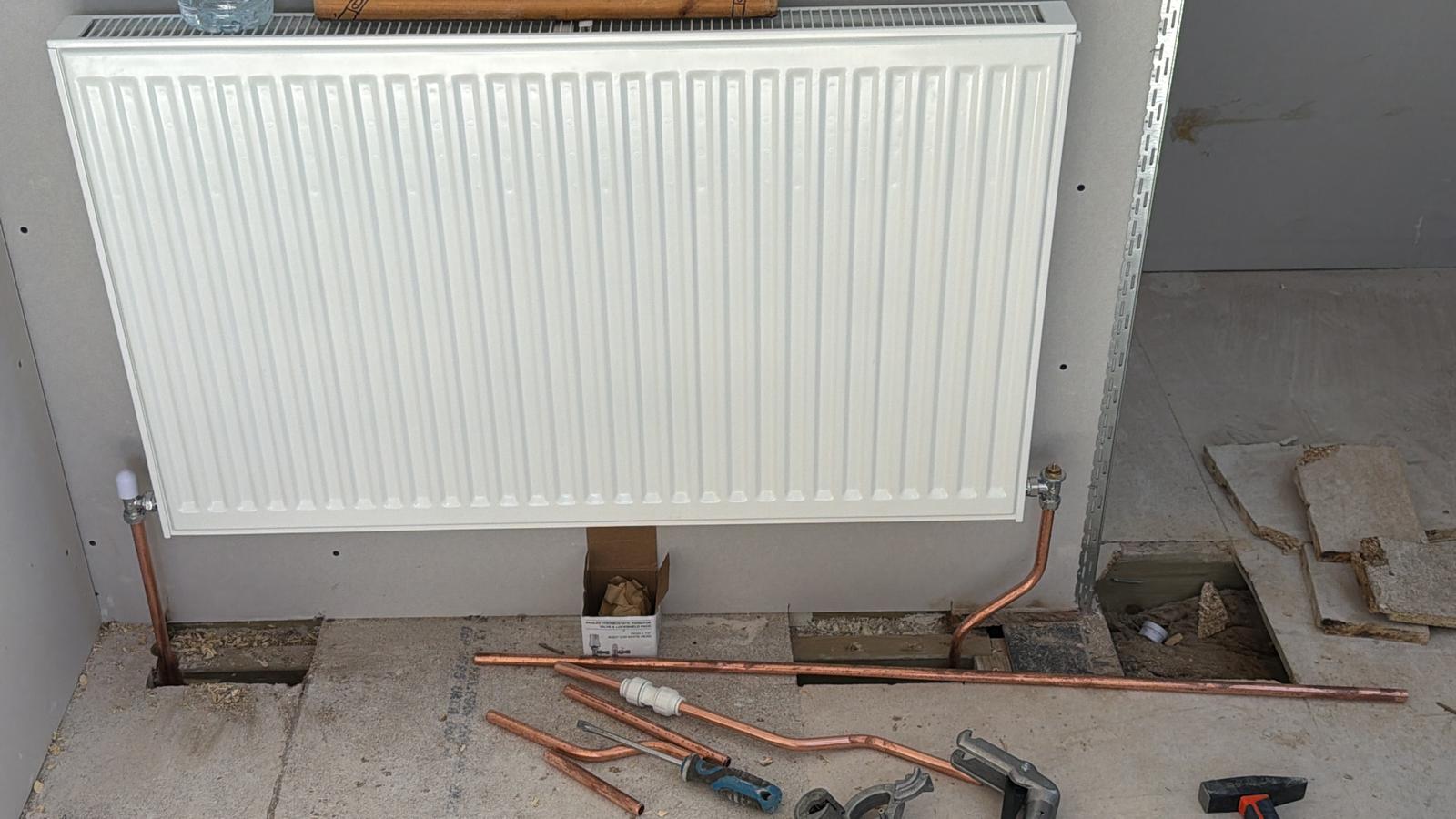
Radiators Not Heating Up? A Guide for Denham Homeowners
When your heating is switched on but a room stays cold, the boiler is not always the cause. Trapped air, radiator valves and circulation problems can all affect how well your radiators heat your home.
Before assuming you need a new boiler, it helps to establish whether the problem affects one radiator or the whole house.
Is one radiator cold, or are they all cold?
If every radiator is cold, start by checking your heating controls. Make sure the heating schedule is active and the room thermostat is set above the current room temperature.
Check the boiler display for a fault code and, where applicable, compare the pressure reading with the guidance in your boiler manual.
If other radiators are working normally, the issue is more likely to involve the affected radiator, its valves or the flow of water through it.
Why is my radiator cold at the top?
A radiator that is warm at the bottom but cold at the top can have trapped air inside. You may also notice gurgling sounds when the heating runs.
Bleeding the radiator may help. Turn the heating off and let the radiator cool first, then follow the manufacturer’s instructions. Afterwards, check the system pressure against your boiler manual.
If you regularly need to bleed the same radiator, arrange an inspection to find out why the problem keeps returning.
Why is my radiator cold at the bottom?
A noticeably cold area at the bottom can indicate sludge or restricted circulation. Bleeding releases air, so it will not remove deposits inside the radiator.
An engineer can assess whether cleaning is needed and recommend a suitable method. A cold radiator does not automatically mean the whole system needs power flushing.
Some temperature variation is normal as water passes through a radiator. Persistent cold patches and poor room heating are more useful signs of a problem.
Could the radiator valve be causing it?
Check that the thermostatic radiator valve is turned up. Once the room reaches its selected temperature, the valve reduces the flow of hot water, so a cooler radiator can be normal.
If the room remains cold despite the valve being turned up, the valve may need attention. Avoid forcing it or dismantling connections.
Why do some rooms warm up faster than others?
When nearby radiators get hot quickly but others take much longer, the system may need balancing.
Balancing adjusts water flow between radiators so heat is distributed more evenly. An engineer can also check for valve faults, blockages or other circulation issues before recommending work.
When should you book a heating engineer?
Arrange an inspection if:
A radiator remains cold after basic checks.
Several rooms struggle to reach a comfortable temperature.
You repeatedly need to bleed radiators or top up boiler pressure.
You notice leaks or recurring boiler fault codes.
Tell the engineer which radiators are affected, when the issue started and whether your hot water is still working. These details can help narrow down the cause.
Central heating help in Denham
Everything Heating Ltd can help investigate radiators that stay cold or heat unevenly.
Contact the team to discuss your central heating problem and arrange an appointment in Denham.
Why Homeowners Trust Us
Built on Quality. Driven by Trust.